For years, I struggled with persistent eye discomfort. After long days staring at screens, especially when diving deep into visual tasks like photo editing, my eyes would feel gritty, tired, and sometimes even painful. The worst part? Those nagging tension headaches that would creep up, making it hard to focus on anything else. I knew I needed a solution, especially since my work demanded prolonged screen time. This led me on a quest to find effective ways to tackle what I now understand as digital eye strain, and what I discovered changed everything for me. My search for reliable solutions, particularly concerning computer glasses for eye strain, became a top priority.
When I first started a job that involved intense Photoshop work and meticulous examination of pixels, the eye strain became unbearable. It wasn't just general tiredness; it was a deep ache behind my eyes, often escalating into full-blown tension headaches that made my evenings miserable. I realized my eyes were constantly working overtime, trying to focus on tiny details for hours on end. I knew my setup wasn't ideal, and my eyes were paying the price.
I started looking into various solutions, and one of the first things that came up was the idea of specific glasses for computer use. I learned that not all lenses are created equal. My research revealed that certain materials like Glass, CR-39, Trivex, and 1.67 index lenses were often recommended for clarity. However, I also discovered a critical piece of information: Polycarbonate lenses, while durable, could sometimes be one of the worst choices for computer use because they can cause chromatic aberrations, which essentially means color fringing or distortion. This was a revelation, as I previously thought all lenses were pretty much the same.
My journey to relief wasn't just about one magical fix; it was a combination of strategies. But if I had to pick one thing that made an almost overnight difference, it would undoubtedly be wearing dedicated computer glasses. The change was dramatic: the strain and tension headaches that had plagued me for months significantly diminished, almost instantly.
Initially, I wasn't sure if I even needed glasses. I thought my vision was fine. However, after hearing advice from someone with an optician background, I realized the importance of getting a professional eye exam. Even the slightest uncorrected vision issue, especially if you're over 25 or have a touch of astigmatism, can cause significant eye strain when you're staring at a computer screen for hours. So, my first practical step was to book an appointment with an optometrist. Turns out, I did have a minor prescription, and getting that corrected specifically for my working distance made a huge difference.
When choosing my glasses, I made sure to prioritize certain features. My optometrist recommended adding blue light filtering and glare reduction as options, even for my prescription lenses. These additions proved incredibly helpful in reducing the harshness of the screen light and minimizing reflections.
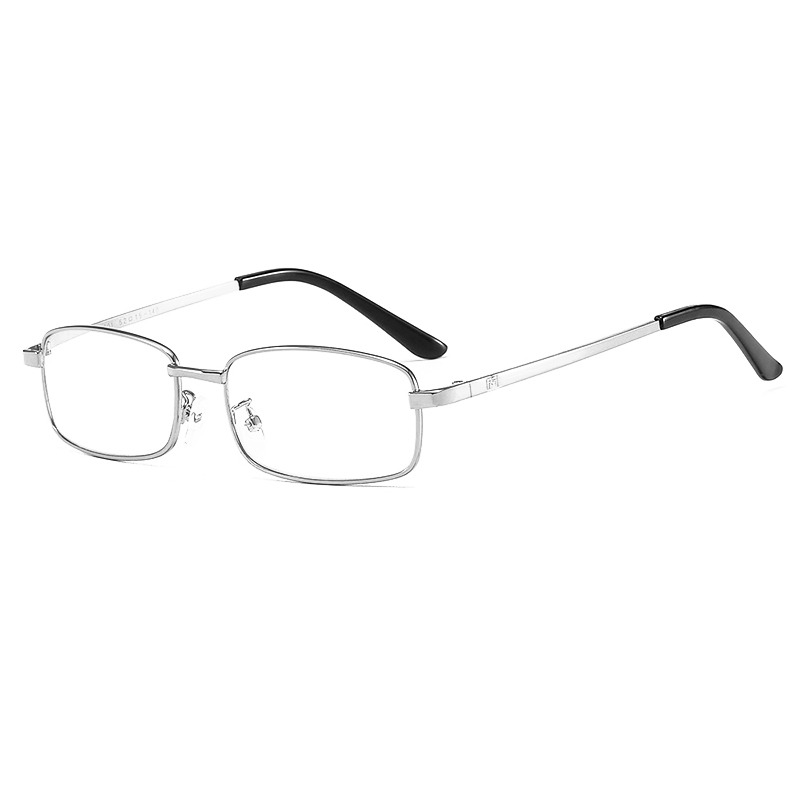
I also learned about different types of lenses. While some premium options like FL-42 lenses were highly recommended for their specific tint for light sensitivity, I found them to be quite expensive. However, I discovered that there are many decent mid-range blue tint glasses available that offer great benefits without breaking the bank. For example, I came across the Metal Resin Lens Reading Glasses from Mozaer. I was impressed by their features, specifically the anti-scratch diopter eyewear, available in various strengths like +1.5, +2.0, +2.5. These full-frame square glasses, designed for both men and women, offered the anti-scratch and optical clarity I was looking for, making them a fantastic choice for combating eye fatigue during my extended work sessions. I found them to be extremely helpful; my eyes felt noticeably less tired after a full day.
One important caveat I discovered, however, is that while these glasses are incredibly beneficial for comfort and reducing eye fatigue, I make sure to take them off when I'm doing work that demands absolute color accuracy. The blue light filter, while great for comfort, can subtly alter color perception, which is critical for my graphic design tasks. It's a small adjustment, but an important one for maintaining professional quality.
While glasses were a huge step, I quickly realized that eye strain is part of a larger ergonomic puzzle. I started investing in a better workspace setup. This included getting a more supportive ergonomic chair, switching to a vertical mouse to reduce wrist strain, and ensuring my monitor was at the correct height and distance with an adjustable monitor arm. I even added a laptop riser and a foot riser to complete my comfort zone. These adjustments collectively created a much more comfortable and sustainable environment, reducing overall physical tension that can contribute to headaches and fatigue.
For a wider range of products that can enhance your workspace and overall well-being, exploring various <a href="https://mozaer.com