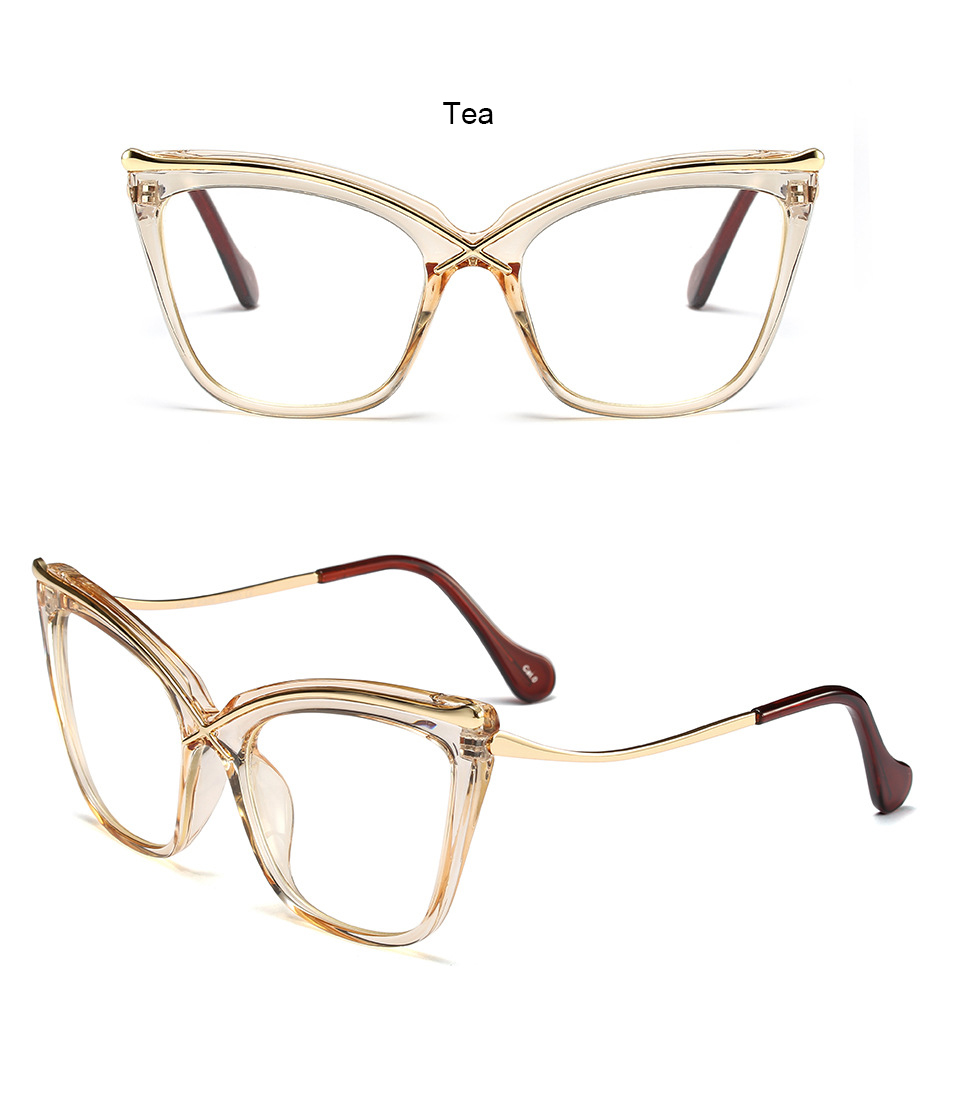
I understand completely. You need new reading glasses because your eyesight has changed, and you're browsing online for that stylish vintage flower cat-eye look. When I bought my first pair of prescription reading glasses, I tried to save money and cut corners. That turned out to be a huge mistake.
I made these errors so you can avoid ruining your eyes or wasting money. Learn from my experience. Shopping for glasses isn't like buying a pair of socks—comfort, eye health, and accuracy matter much more.
I came across a pair of vintage flower cat-eye readers priced at just $9.99 and thought, "How different could they be?" The product photos looked fantastic, so I bought them immediately. Although I wanted to save money, I ended up paying double because I had to replace them.
Extremely cheap frames use the lowest quality plastic and aren't built to last. The hinges are usually the first to fail, becoming loose after just a couple of weeks. Eventually, one of the arms snapped off when I was taking them off.
Don't repeat my mistake. When the price is rock-bottom, the quality will be too. Saving $10 now could mean spending $40 later.
Verdict: Set a realistic budget. Cheap plastic frames won't hold up for long.
The product description for the vintage flower cat-eye reading glasses mentioned an 'Anti Blue Light Filter,' and I assumed all filters worked the same. They don't.
Inexpensive lenses might have a coating that wears off almost immediately. Even worse, the lens material itself scratches if you so much as look at it the wrong way. When I tried cleaning mine with a microfiber cloth, it left streaks. Blurry lenses force your eyes to work harder, which can lead to headaches.
You should also check the frame material quality. Cheap frames often contain harmful chemicals or have rough plastic seams that irritate your nose and temples. Look for durable plastic or acetate materials.
Action Step: Verify whether the coating is integrated into the lens or just a cheap surface layer. Investing in a quality blue light filter is worth it to protect your eyes.
When buying prescription reading glasses online, especially with powers like +1.5 or +2.0, you need to trust the numbers. I assumed a +1.5 would always be a +1.5, but I was wrong.
Many sellers of cheap, mass-produced readers have poor quality control, so the actual magnification might be slightly off. If your reading glasses are weaker or stronger than advertised, it can harm your vision over time, particularly during long reading or computer sessions.